Funeral
The Important Role of Cremation Services During Bereavement
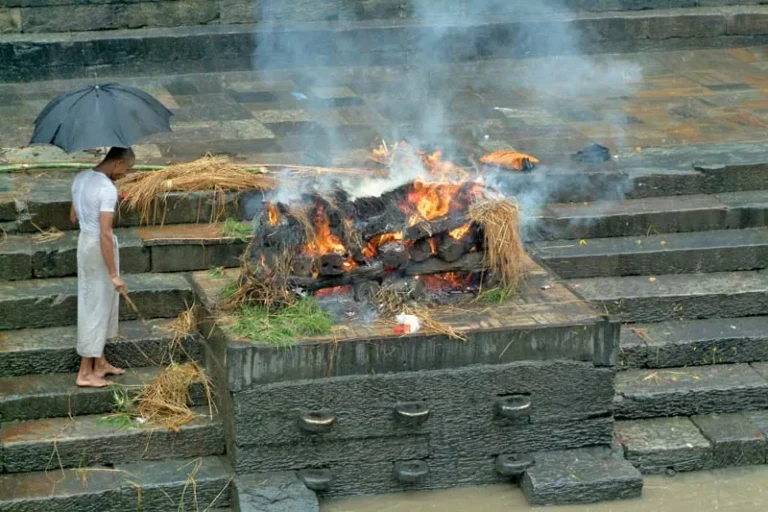
Cremation services help families create a meaningful, compassionate farewell to those they’ve lost. They are indispensable to the bereavement process.xe2x80xa6
Read more →

The evolution of funeral traditions over time are a strong indication of changing cultural beliefs and societal values. From ancient rituals to modern practices, these traditions reveal the deep ways communities around the world honor and remember their loved ones.
Now, personalized ceremonies, eco-friendly options, and technology are just a few of the influential factors defining how we say farewell today. Context is important. Understanding these trends can help us understand the importance of each ritual.
Studying the history of funeral traditions reveals how cultures have tried to understand death through the body. Early funerary practices were heavily influenced by religious and spiritual beliefs, as ancient societies incorporated these beliefs into their death rituals.
The Egyptians had a strong belief in the afterlife, which inspired complex burial rituals like mummification and placing possessions in tombs. These practices highlighted their commitment to preparing the deceased for their journey beyond this life.
In most of these ancient societies, spirituality and death were richly connected. All cultures created elaborate ceremonies to deal with the afterlife. As an example, ancient Egyptians would mummify their deceased, whereas in India, cremating the dead has been a prevalent tradition for centuries.
Here’s a brief overview of key civilizations and their practices:
These traditions developed the foundation for contemporary funerals, shaping elements such as caskets, burial practices, and memorial services.
As communal moments of grief, funerals are essential for a community to process loss and celebrate the deceased. They serve as expressions of cultural identity and cultural heritage that embody cultural values around life and death held by society.
Being part of these rituals provides collective emotional support, creating a bond between all who are mourning.
Below is a table categorizing some cultural rites:
|
Culture |
Funeral Rite |
|
Hindu |
Shraaddh ceremonies |
|
Tibetan |
Sky burials |
| Mexican | Día de los Muertos |
What’s more, symbolism is central to these customs. In example after example, clothing of mourning communicates respect and offerings send a message of honoring the dead.
Globalization continues to deepen the mixture of these customs, creating new traditions while keeping the spirit of the original cultures alive.
Funeral practices have changed all the time, reflecting larger changes in culture, society, technology, and individual attitudes and beliefs. Knowing these changes helps us understand the way we’re honoring the lives of our loved ones today.
Just as other societal customs have been influenced by major historical events, such as wars and pandemics, so have our funeral customs. For example, the Victorian period idealized the “good death,” in which dying at home with family became essential.
As urbanization and migration increased, funeral practices became more varied. Social media now plays a role, allowing for wider participation in memorials, while cultural diversity enriches rituals in multicultural communities.
Additionally, public perceptions about death have changed, leading to more frank conversations around grief and commemoration.
Although death is inevitable, technology has changed the funeral landscape in many profound ways. Digital memorials and virtual services have created greater accessibility to stay connected.
Modern embalming techniques and digital planning tools make the process safer and more efficient. West Valley City funeral homes are some of the best when it comes to these recent advancements.
These innovations simplify arrangements and transform the way families celebrate the lives of those they’ve lost. They democratize, make more open and less elitist, the grieving process for all.
Shifting religious beliefs have influenced practices as well. The growth of secularism, as well as the interfaith marriages that have eroded more rigid communal boundaries, are both contributing to a new inclusivity in funerals.
Alternative spiritual beliefs and imagery are widely accepted nowadays, making a big impact on modern practices.
As culture changes, so should the funeral experience, resulting in more authentic, personalized and meaningful experiences. Families are looking for more personalized services, more and more celebrating the unique lives their loved ones lived.
The cremation rate in the United States has been above 50% for some time. This development casts a huge vote away from the “traditional” funeral and towards choices that reflect families’ values and beliefs.
There is a strong environmental movement that is impacting funeral practices. Sustainable practices, like biodegradable caskets, are increasingly important.
Green burial alternatives can save up to 80% of the environmental costs of an average American funeral. Families are also increasingly seeking ways to honor the memory of their loved ones that are in line with their families’ commitment to the planet.
Popularity of green burials continues to increase, as families make decisions based on environmental concerns. Natural burial sites, usually set in peaceful woodland areas, are attractive to environmentally conscious families.
Alternatives such as woodland burials and biodegradable urns are becoming more popular in response to a larger societal trend towards sustainability.
New ways to memorialize, such as digital tributes, are changing the way families will memorialize their loved ones. Technology has the power to ensure legacies last with digital memorials.
Memorial gatherings are becoming more celebrations of life rather than remembrances of death, broadening the scope of how families are able to pay tribute to their loved ones.
Funeral customs have changed significantly over time, showing how societies seek meaning in farewells. From simple rituals to elaborate ceremonies, these practices reflect our values and beliefs. In the future, we can expect more personalized and eco-friendly options as families aim to celebrate their loved ones’ spirits in unique ways.
By knowing this evolution we can better understand and respect the deep history that lies behind these traditions. It inspires us to make decisions that align with our values and honor our feelings. Celebrate the adventure of celebrating life and the memories we cherish. See what inspires you for your own farewell—or that of someone you love.
From prehistoric burial rituals involving grave goods, the earliest funeral traditions began with the belief that the dead needed to be cared for. These practices demonstrated their beliefs in the afterlife and homage to the dead.
The experiential nature of modern lifecycles Working with families helping to celebrate the uniqueness of each life has become the new norm.
Cultural beliefs and practices play an important role in shaping how and why funeral traditions evolve. Each culture designs rituals, symbols, and practices that epitomize their values, spirituality, and customs related to death.
Today, green burials and cremation are more common, as is the use of technology to create virtual memorials. More families are looking for more meaningful, sustainable, and personalized options for honoring their loved ones.
Every culture has unique funeral traditions, but all are steeped in rich rituals, mourning periods, and burial traditions. These variances are typically the result of religious doctrine, long-standing traditions, and cultural influences.
Memorial services offer grieving families and friends a chance to come together, share memories and celebrate the life of the deceased. They create space for healing and allow people to mourn their loss in a safe community setting.
Families can be better prepared by discussing these wishes in advance, deciding on a funeral home, and taking into account budget and service preferences. Planning ahead ensures that the funeral reflects the deceased’s values and meets family needs.
Cremation services help families create a meaningful, compassionate farewell to those they’ve lost. They are indispensable to the bereavement process.xe2x80xa6
Read more →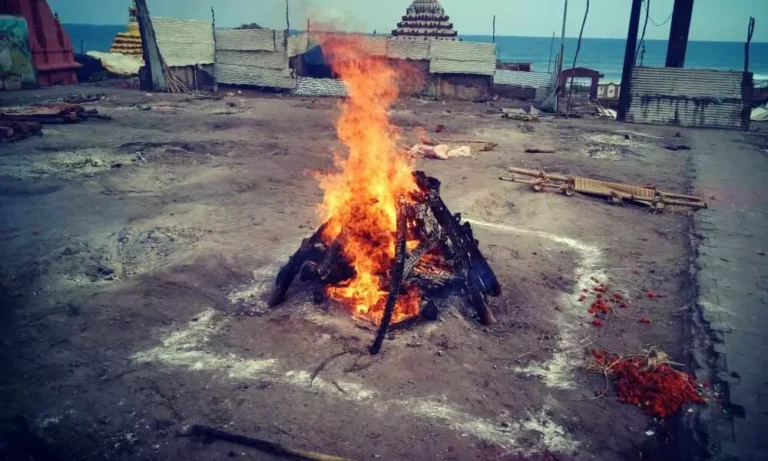
When selecting a cremation ground nearby, think about its location, facilities, and overall vibe. Look for a place that providesxe2x80xa6
Read more →
Legal considerations are important for families to know when planning a funeral. Understanding the applicable laws and regulations will ensurexe2x80xa6
Read more →You will be connected directly to our
24×7 dispatch team.