Ambulance
What is the Importance of Emergency Medical Services?
The importance of EMS is crucial. EMS teams, made up of trained professionals and essential medical equipment, respond quickly toxe2x80xa6
Read more →
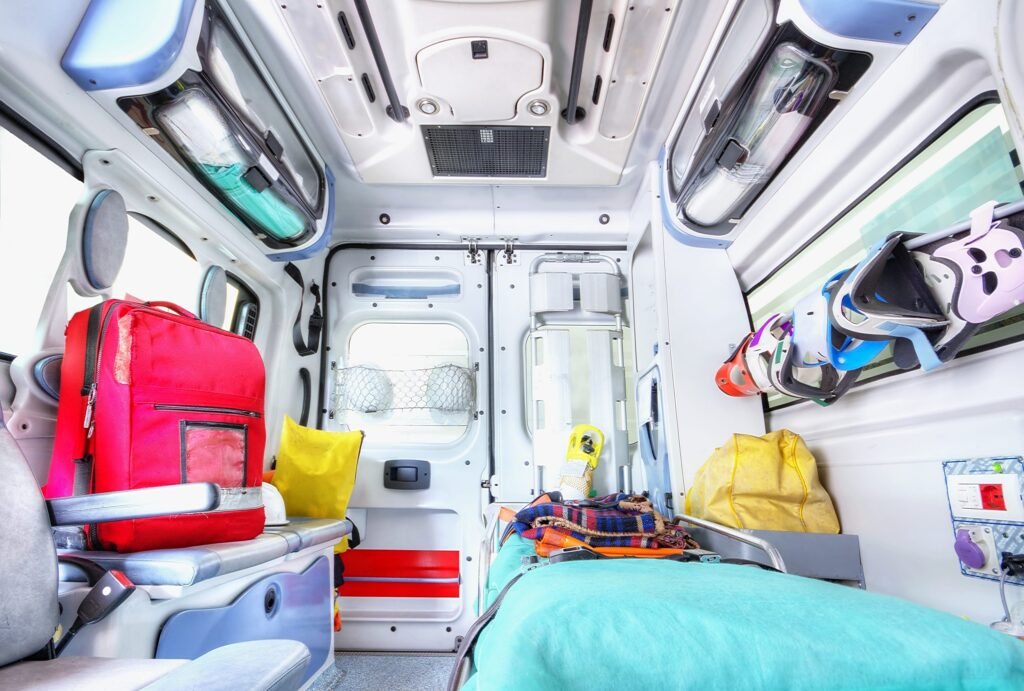
Ventilator ambulances are vital for transporting critical patients who require advanced respiratory support. These specialized vehicles are equipped with advanced life-support systems that ensure patients receive necessary care during transit.
They offer a unique platform to transport unstable patients who need continuous observation and clinical support.
By making it possible for patients to be transferred to hospitals or specialized facilities in a quick manner, ventilator ambulances greatly improve patient outcomes and chances of survival. Knowing their role is critical to underscoring the need for lifesaving medical transport during emergencies.
Ventilator ambulances are essential for providing prompt, advanced medical care in emergencies. They are important for transporting patients with severe respiratory issues to the right medical facility. These ambulances are fitted with cutting-edge life support equipment.
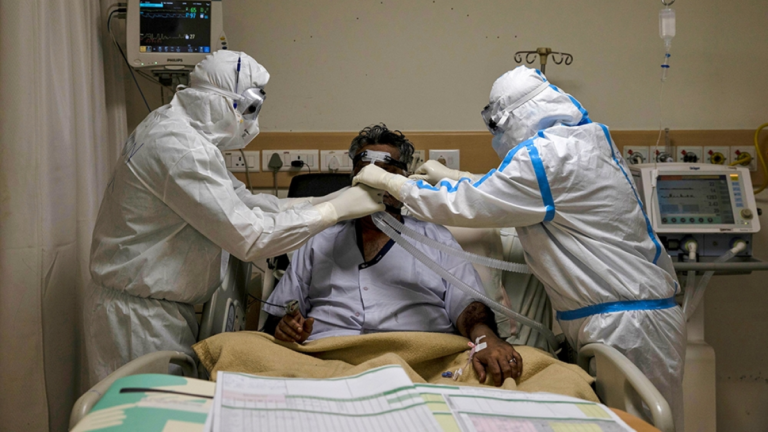
They are equipped with ventilators, defibrillators, and cardiac monitors to provide life-saving care to critically ill patients during transport. For instance, if a patient has severe respiratory failure, the ventilator can help them breathe and stabilize before they arrive at the hospital.
Having ventilator ambulances allows for a higher level of patient safety and comfort while being transported. Families get peace of mind when they know their loved ones are in the hands of specialized care.
Statistics show a scary reality that as many as 15% of patients enter a hospital with preventable hypotension or hypoxia. This issue tremendously affects their outcomes. Ventilator ambulances make important contributions to saving lives and improving healthcare.
They decrease the incidence of infectious complications and mortality, especially for patients experiencing respiratory difficulties. Rapid access to specialized care with the help of these ambulances can significantly increase survival rates.
They have proven themselves as an effective mode of transportation to provide support. This support decreases hospital admissions and in the end results in shorter hospital stays for those most critically ill.
A typical ventilator ambulance is equipped with essential tools to ensure patients receive critical care during transport. Portable ventilators offer vital respiratory support for critically ill patients, while ECG monitors track heart activity, and suction devices help keep the airway clear.
Every piece of equipment, like powered stretchers and ventilators, is crucial for stabilizing critical patients during transport to medical facilities. Portable ventilators, for instance, offer various settings for oxygen flow and pressure, ensuring that each patient receives the appropriate level of respiratory support based on their individual needs.
Advanced ventilators allow healthcare providers to customize settings like tidal volumes and respiratory rates based on a patient’s condition. This flexibility is crucial, especially in emergencies where every breath counts, enabling us to handle complex cases effectively.
Additionally, well-trained emergency medical technicians (EMTs) are key in these critical situations. Their expertise makes them the right people to operate high-cost, complex equipment, and be prepared for any acute change in a patient’s condition.
| Equipment | Function | Benefits |
| Portable Ventilator | Provides respiratory support | Personalized settings |
| ECG Monitor | Monitors heart activity | Early detection of issues |
| Suction Device | Maintains airway patency | Reduces risk of obstructions |
Ventilator ambulances are essential assets to the movement of critically ill patients. They can supply specialized support and care during transport, treating patients and minimizing the need for further care after transport. Equipped with the latest technology and staffed with a specialized team, these ventilator ambulances are ready to care for patients in critical condition.
By better understanding the challenges and best practices to deploying these vehicles, we can ensure that patient outcomes are maximized. For healthcare professionals and organizations, taking these findings to heart is a life-and-death game-changer.
Keep learning, keep navigating this new environment, keep realizing that our job is to put patients first—even in transport—and embrace the frontier. In doing so, you help us to improve health outcomes for the most critically in need.
A ventilator ambulance is a specialized ambulance outfitted with medical ventilators and multi-parameter monitors. Most importantly, it provides the assurance that critical patients will continue to receive necessary respiratory support while in transport.
Ventilator ambulances allow for rapid and efficient transport of critically ill patients who need respiratory support. They are critical for stabilizing conditions, minimizing complications, and improving survival rates.
Equipped with state-of-the-art medical technology, ventilator ambulances provide portable ventilators, oxygen supply systems, and real-time monitoring of patients. This makes sure we’re providing the best care to patients while they’re in motion.
Challenges range from limited space to equipment maintenance and ensuring proper training—just to name a few. With proper planning and regular training, these problems can be avoided.
Providers must implement best practices, including regular equipment inspections, staff training, and communication procedures. This ultimately increases patient safety and quality of care during transport.
Availability has one big caveat — it depends on where you live. While urban areas usually have better staffing and financial resources at their disposal, rural locations may be at a greater disadvantage. It’s important to inquire with your local healthcare providers about available options.
The importance of EMS is crucial. EMS teams, made up of trained professionals and essential medical equipment, respond quickly toxe2x80xa6
Read more →
Ambulettes specialize in non-emergency medical transport, offering rides to individuals who may require extra help getting to their medical appointments.xe2x80xa6
Read more →
Introduction In times of medical emergencies, the need for reliable and efficient ambulance services cannot be overstated. Choosing the rightxe2x80xa6
Read more →You will be connected directly to our
24×7 dispatch team.