Introduction
A heart attack, also known as a myocardial infarction, is a life-threatening medical emergency that requires prompt intervention to minimize damage to the heart muscle and improve the chances of survival.
In this critical situation, an ambulance plays a pivotal role in providing rapid and specialized care. Understanding the essential roles of an ambulance in responding to a heart attack is crucial for raising awareness about the importance of timely intervention and effective emergency medical services.
Timely Response and Prehospital Care
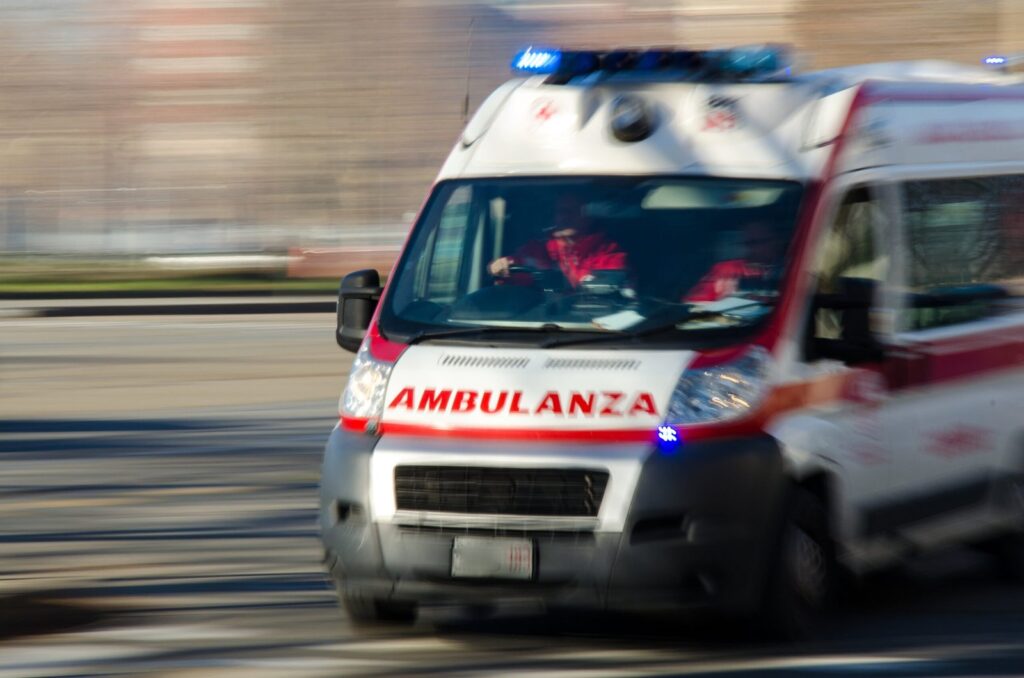
When a heart attack occurs, swift activation of emergency medical services is vital. The Annai ambulance’s role begins with a prompt response to the emergency call, ensuring that trained medical personnel reach the patient’s location as quickly as possible.
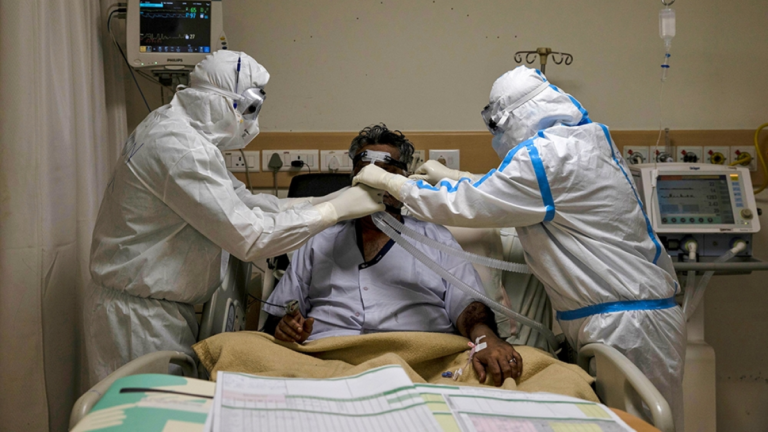
Once on the scene, the paramedics and emergency medical technicians (EMTs) provide essential prehospital care, which may include:
- Assessing the patient’s condition, obtaining vital signs, and conducting an electrocardiogram (ECG) to diagnose the heart attack
- Administering oxygen therapy and medications to alleviate symptoms and stabilize the patient
- Initiating advanced life support interventions, such as defibrillation for life-threatening arrhythmias
Rapid Transport and Communication
Following the initial assessment and stabilization, the Annai ambulance facilitates the rapid transport of the patient to the nearest appropriate medical facility, typically a hospital equipped to deliver specialized cardiac care.
During transit, the ambulance crew maintains continuous communication with the receiving hospital, providing vital information about the patient’s condition and ECG findings to ensure that the medical team at the hospital is prepared to deliver timely treatment upon the patient’s arrival.
Coordination with Hospital-Based Cardiac Care
Upon reaching the hospital, the Annai Ambulance team plays a crucial role in facilitating the seamless transfer of care from the prehospital setting to the hospital-based cardiac care team. This involves:
- Providing a comprehensive handover report to the hospital staff, including details of the patient’s condition, vital signs, interventions performed, and ECG findings
- Collaborating with hospital personnel to ensure a smooth transition and immediate continuation of advanced cardiac care, such as cardiac catheterization and percutaneous coronary intervention (PCI)
Supportive Care and Patient Advocacy
In addition to the clinical interventions, the ambulance crew provides crucial supportive care and serves as advocates for the patient. This includes:
- Offering reassurance and comfort to the patient and their family members throughout the transport process
- Advocating for the patient’s best interests and ensuring that the receiving hospital is prepared to deliver timely and appropriate cardiac interventions
Public Education and Awareness
Beyond their immediate response to heart attacks, ambulances also play a role in public education and awareness campaigns aimed at promoting early recognition of heart attack symptoms, the importance of calling emergency services promptly, and the availability of advanced medical care in ambulances to improve outcomes for heart attack patients.
In conclusion, the roles of an ambulance in responding to a heart attack are multifaceted and essential in delivering timely and specialized care to individuals experiencing this critical medical emergency.
In the unfortunate event of losing a loved one to a heart attack, compassionate support is crucial. Explore our Funeral Services in Coimbatore for dignified and respectful arrangements during difficult times.
Through rapid response, expert prehospital care, seamless coordination with hospital-based cardiac teams, and patient advocacy, ambulances contribute significantly to the chain of survival for heart attack patients, underscoring the vital importance of emergency medical services in saving lives during cardiac emergencies.
FAQs
1. What role does an ambulance play in the initial response to a heart attack?
Ambulances are crucial in providing a prompt response to emergency calls, with trained medical personnel conducting assessments, administering oxygen and medications, and initiating life support interventions to stabilize the patient’s condition.
2. How does the ambulance crew communicate with the receiving hospital during transit?
Ambulance crews maintain continuous communication with the receiving hospital, providing vital information about the patient’s condition and ECG findings, ensuring that the hospital’s cardiac care team is prepared to deliver timely treatment upon the patient’s arrival.
3. What is the significance of the ambulance crew’s handover report to the hospital staff?
The comprehensive handover report provided by the ambulance crew to the hospital staff includes details of the patient’s condition, vital signs, interventions performed, and ECG findings, facilitating a smooth transition and immediate continuation of advanced cardiac care at the hospital.
4. Apart from clinical interventions, what supportive role does the ambulance crew play for heart attack patients?
In addition to clinical care, the ambulance crew offers reassurance and comfort to the patient and their family members throughout the transport process and advocates for the patient’s best interests, ensuring preparedness for timely and appropriate cardiac interventions at the receiving hospital.
5. How do ambulances contribute to public education and awareness about heart attacks?
Ambulances are involved in public education and awareness campaigns aimed at promoting early recognition of heart attack symptoms, the importance of promptly calling emergency services, and the availability of advanced medical care in ambulances to improve outcomes for heart attack patients.