Introduction
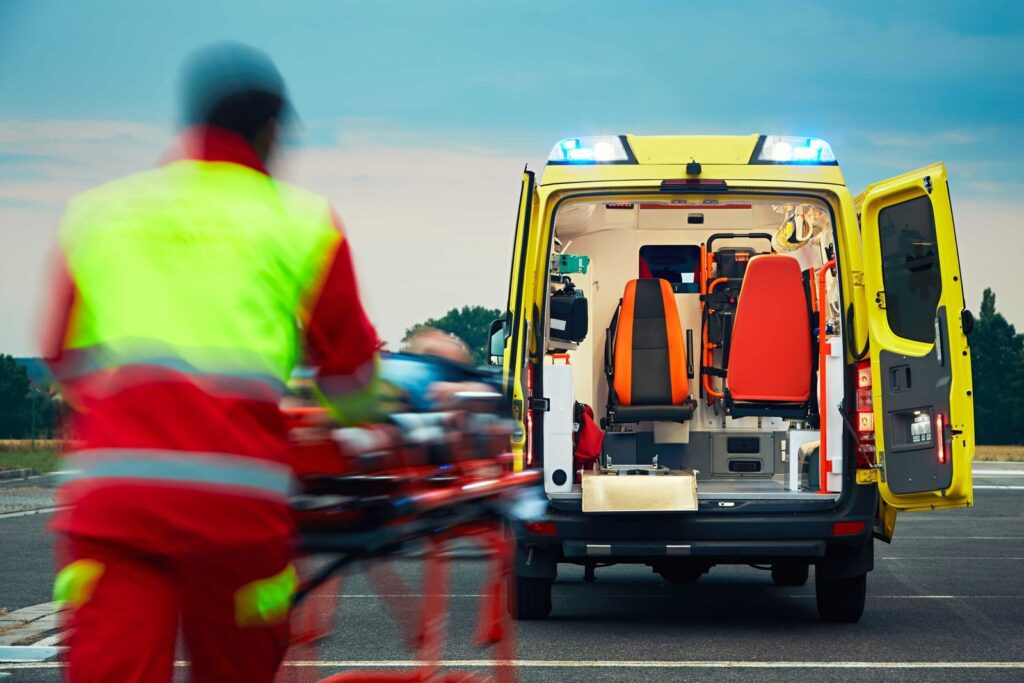
In emergency medical situations, time is often the critical factor that determines the outcome. The ability of ambulance services to provide rapid response times can significantly impact the chances of survival and recovery for individuals in need.
In this blog, we will delve into the importance of rapid response in ambulance services, examining how timely intervention can make a life-saving difference.
The Significance of Rapid Response
Rapid response in ambulance services is paramount for several reasons:
- Time-sensitive Conditions: Many medical emergencies, such as heart attacks, strokes, and severe traumas, require immediate medical attention. A prompt response from ambulance services can ensure that patients receive vital care without delay, potentially reducing the risk of complications and improving outcomes.
- Critical Golden Hour: The concept of the “golden hour” emphasizes the crucial first 60 minutes following a traumatic injury or medical emergency. During this time, rapid intervention by ambulance services can prevent further deterioration and enhance the chances of survival.
Challenges and Solutions
Despite the critical nature of rapid response, ambulance services often face challenges in achieving timely arrivals, including traffic congestion, geographical barriers, and high call volumes.
To address these challenges, ambulance services utilize advanced technologies, such as GPS navigation systems and traffic monitoring, to optimize response routes and minimize delays.
Training and Preparedness
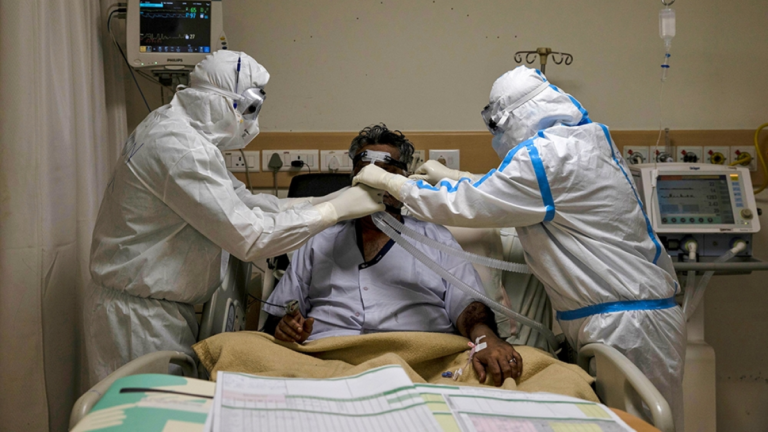
Rapid response is not solely about physical arrival times; it also encompasses the training and preparedness of ambulance service personnel. Paramedics and emergency medical technicians undergo rigorous training to efficiently assess, stabilize, and transport patients, ensuring that crucial medical interventions begin as soon as the ambulance arrives on the scene.
Community Impact
The impact of rapid response extends beyond individual patients. By swiftly attending to emergencies, Annai ambulance services contribute to the overall safety and well-being of the community. Prompt responses instill confidence in the public, reinforcing the notion that help is readily available during critical moments.
The Role of Technology
Advancements in technology have revolutionized the capabilities of ambulance services, enabling real-time communication, remote diagnosis, and telemedicine support.
These technological innovations complement rapid response efforts, allowing for enhanced coordination and immediate access to medical expertise.
In times of crisis, the speed of ambulance services can be the difference between life and death. For comprehensive support during difficult times, including funeral services in Coimbatore, trust our compassionate and professional team.
Conclusion
In conclusion, the importance of rapid response in ambulance services cannot be overstated. Timely intervention can be the difference between life and death, making it imperative for ambulance services to continually strive for improved response times and enhanced preparedness.
By understanding and emphasizing the significance of rapid response, we can further appreciate the invaluable role that ambulance services play in safeguarding public health and safety.
FAQs
1. Why is rapid response critical in ambulance services?
Rapid response is crucial in ambulance services because it directly impacts the outcome of time-sensitive medical emergencies. Timely intervention can significantly improve a patient’s chances of survival and recovery, especially during the critical “golden hour” following a traumatic injury or medical event.
2. What challenges do ambulance services face in achieving rapid response times?
Ambulance services encounter various challenges, including traffic congestion, geographical barriers, and high call volumes, that can impede the ability to achieve rapid response times. Overcoming these challenges often requires the utilization of advanced technologies and strategic route planning.
3. How do advancements in technology contribute to rapid response in ambulance services?
Technological advancements play a pivotal role in enhancing rapid response capabilities. GPS navigation systems, real-time communication, and telemedicine support enable ambulance services to optimize response routes, improve coordination, and access medical expertise remotely, thereby facilitating quicker and more efficient responses.
4. What is the role of ambulance service personnel in ensuring rapid response?
Ambulance service personnel, including paramedics and emergency medical technicians, undergo rigorous training to efficiently assess, stabilize, and transport patients.
Their expertise and preparedness are fundamental in ensuring that crucial medical interventions begin as soon as the ambulance arrives on the scene, contributing to rapid and effective responses.
5. How does rapid response in ambulance services benefit the community as a whole?
Rapid response in ambulance services extends beyond individual patients, positively impacting the overall safety and well-being of the community.
By swiftly attending to emergencies, ambulance services instill confidence in the public, reassuring individuals that help is readily available during critical moments and thereby contributing to community resilience and public health.