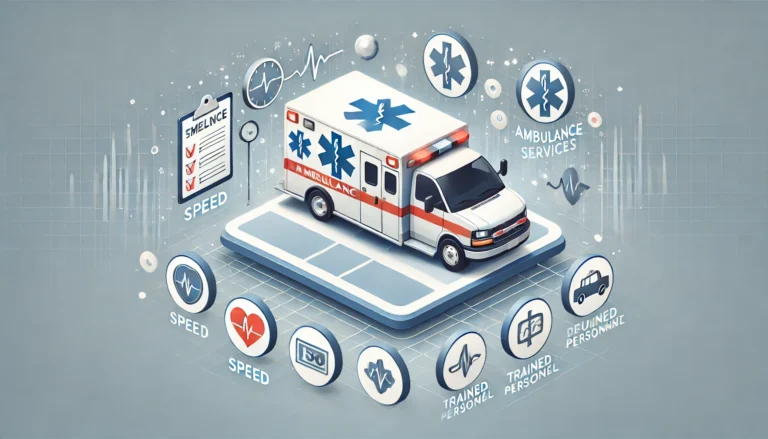
The importance of EMS is crucial. EMS teams, made up of trained professionals and essential medical equipment, respond quickly to emergencies, providing timely treatment that can save lives.
They serve as a critical lifeline, stabilizing patients in the field, transporting them to receiving hospitals, and coordinating with other healthcare providers. Recognizing the value they provide only serves to underscore the importance of maintaining strong emergency medical services systems to keep our communities safe and healthy.
What are emergency medical services?
Emergency medical services (EMS) services represent a critical component of our healthcare delivery systems, providing immediate, life-saving medical intervention during emergent and often traumatic situations.
These services provide urgent ambulatory care and access to highly trained professionals. They are the first responders who establish when and where patients receive the right treatment at the right time. When a medical crisis strikes, EMS is often the first line of defense.
They provide important field-based health care and life-saving relocation to hospitals and clinics.
The Emergency Department (ED) is the default facility for urgent care. It’s because it is open 24/7 to address the urgent needs of patients.
Every emergency department stands prepared to address all manners of medical crisis. From a scraped knee to a cardiac arrest, they’re ensuring that care is never out of reach.
Triage is especially important in the emergency department. It helps triage patients and prioritize care based on how quickly patients need to be treated.
This process makes sure that people in life-threatening situations get treated right away. EDs are on the front lines and work closely with departments such as radiology and laboratory.
This collaborative approach improves holistic patient care, leading to healthier outcomes and lives.
Critical roles and responsibilities
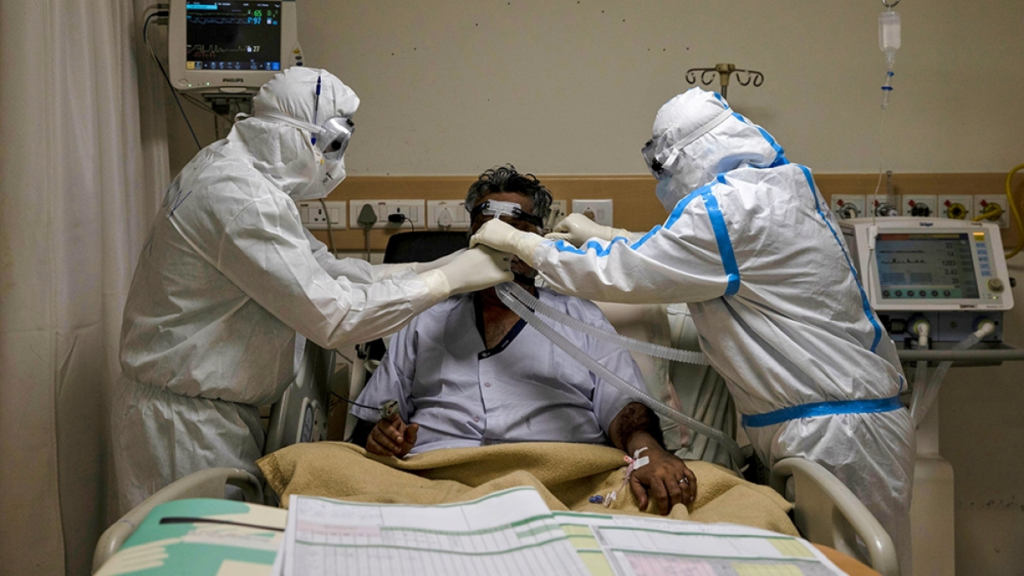
Emergency medical services (EMS) are vital to our healthcare system, offering frontline care and emergency response during crises. Dedicated emergency physicians and trained nurses work tirelessly to provide high-quality care 24/7.
They may only have a few moments to judge a patient’s condition and administer life-saving interventions. Their primary purpose is to stabilize people first before moving them to more specialized units. In catastrophic injury cases resulting from crashes, medical professionals move fast. Their rapid responses make a huge difference in recovery efforts.
Furthermore, emergency departments (EDs) provide a crucial first step for critical care, often providing life-saving stabilization for patients, while waiting for transfer to intensive care units (ICUs). This early care is so important, as it sets the stage for long-term care and recovery.
EMS is often the first line of response for any medical emergency. They not only respond to trauma cases such as fractures and lacerations, but serious cardiac events such as heart attacks. Their ability to respond quickly and effectively makes a life-saving difference.
They have a critical role in advanced public safety, with timely interventions in life-threatening situations ensuring that every second matters.
Operational considerations for effectiveness
Effective emergency medical services (EMS) are built on some key operational considerations that prioritize rapid, high-quality care.
- First, the adequacy of staffing and training of emergency responders is key. Well-trained personnel, who know protocols and procedures and their scope of authority, can make life-saving decisions in a flash. Enhanced training in trauma care can double or triple a patient’s chances of survival in those crucial early moments.
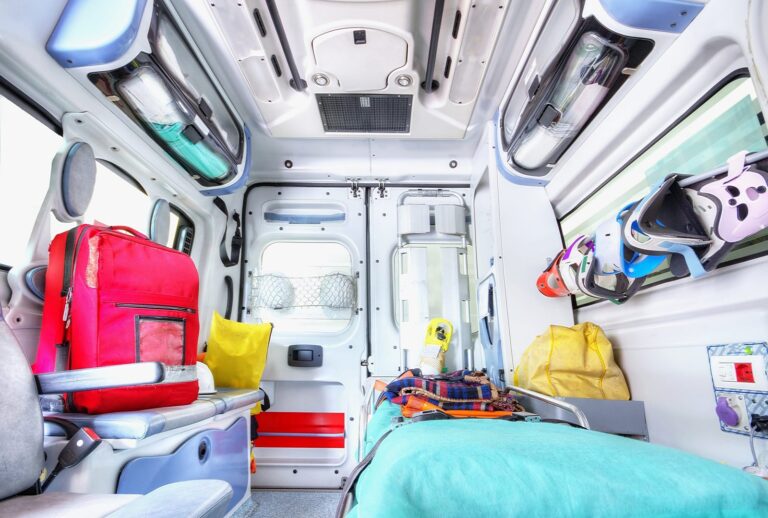
- Second, access to life-saving medical equipment is key. Responders can deliver lifesaving care within minutes, when every second counts. They depend on critical things such as defibrillators and oxygen supplies to save lives.
- Effective communication among healthcare providers enhances coordination and response in emergencies. Clear communication leads to faster information sharing, which is crucial in high-pressure situations.
- Finally, coordination with community assets and integration into emergency response and contingency plans ensure a holistic approach. Working with more local, on-the-ground organizations ensures a smoother response during disasters and boosts the effectiveness of EMS operations.
Challenges faced by emergency medical services
- Emergency medical services (EMS) face ongoing challenges that affect their ability to deliver timely, high-quality care. A major issue is the increasing congestion in emergency departments. When emergency rooms are consistently overcrowded, patient wait times and care quality decline.
- Long wait times can slow treatment for conditions like stroke, where time is critical to saving life and limb, resulting in worse health outcomes. As an example, a heart attack patient will face catastrophic outcomes if they are unable to be treated in a timely manner.
- Funding and resource allocation are huge challenges. Most EMS operations are under constant pressure of budgetary constraints, impacting everything from staff requirements to vehicle maintenance. As resources and funding become more scarce, response times increase and the quality of care diminishes.
- Furthermore, keeping training and protocols current for emergency responders is critical and difficult. Continuous education of responders is key to making sure that they are ready to respond to the most recent medical advancements and emergency techniques.
- Lack of coordination and communication between multiple emergency service providers and layers of governmental oversight continue to be a challenge. Fragmented and non-standardized communication can result in a lack of clarity during mass-casualty events, affecting the coordination and response efficiency needed in urgent situations.
Future trends in emergency medical services
Emergency medical services (EMS) are at an exciting crossroads. Here are some trends making healthcare delivery faster, better, and smarter during a life-or-death transition.
These trends are the result of continuing improvements in technology, shifts in patient needs, and the increasing focus on the importance of care delivered within the community.
|
Trend
|
Description
|
|
Telemedicine
|
The use of remote consultations allows paramedics to consult specialists in real-time, improving patient care before reaching the hospital.
|
Conclusion
Emergency medical services save lives every day. These healthcare heroes provide life-saving care in the communities where you live and work. Once we grasp the scope of their roles, we can recognize their tireless efforts. From delivering urgent, life-saving care to safely transporting patients to the right medical facility, EMS professionals overcome obstacles with passion and purpose. Looking ahead, trends in technology and training promise to make them even more effective.
Advocating for EMS is advocating for our communities. There’s a role for everyone to make a difference—from raising awareness to being advocates. By appreciating their critical role, we help create a safer community for everyone. Follow along, take action, and join us in making sure these essential services are here to stay. Together, we can change the face of emergency care for the better.
Emergency medical services play a crucial role in saving lives. You can rely on our ambulance services for prompt and professional care.
Frequently Asked Questions
What are emergency medical services (EMS)?
Emergency medical services (EMS) are a critical part of the healthcare system and the front line of public health. They provide trained medical personnel, ambulances, and other medical equipment for on-scene treatment and transport to hospitals to help avoid deaths.
Why are EMS important?
EMS are lifesavers, and we need to start treating their work accordingly. They provide lifesaving, immediate, on-scene care while stabilizing patients and getting them transported quickly to other care facilities, dramatically increasing the odds of survival.
What roles do EMS professionals play?
EMS professionals, including paramedics and EMTs, assess patients, administer treatments, and coordinate with hospitals. They are essential in managing emergencies and providing life-saving interventions.
What challenges do EMS face?
EMS are under siege with overwhelming call volumes, resource constraints, and funding disparities. These elements can both contribute to response-time delays and the overall quality of care delivered.
How can EMS operations be improved?
Improving EMS operations starts with providing more training, resources, and technology. These measures protect public safety and lead to more strategic and effective emergency response.
What trends are shaping the future of EMS?
Future trends likely will feature greater integration of telemedicine, more advanced data analytics and expanded roles for community paramedicine. From improving treatment of patients to refining the way EMS responds to emergencies, these innovations are making a difference in EMS.
How can the public support EMS?
The public has a crucial role to play in supporting EMS by recognizing their importance, advocating for adequate funding, and joining community training programs. In addition, this builds greater community resilience in emergency situations.