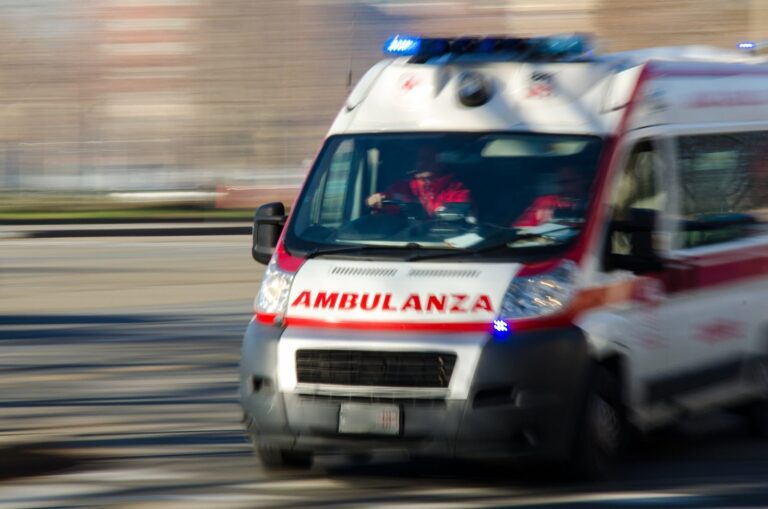
Ambulance
Heart Attack Emergency: How Ambulance Care Saves Lives
Introduction A heart attack, also known as a myocardial infarction, is a life-threatening medical emergency that requires prompt intervention toxe2x80xa6
Read more →
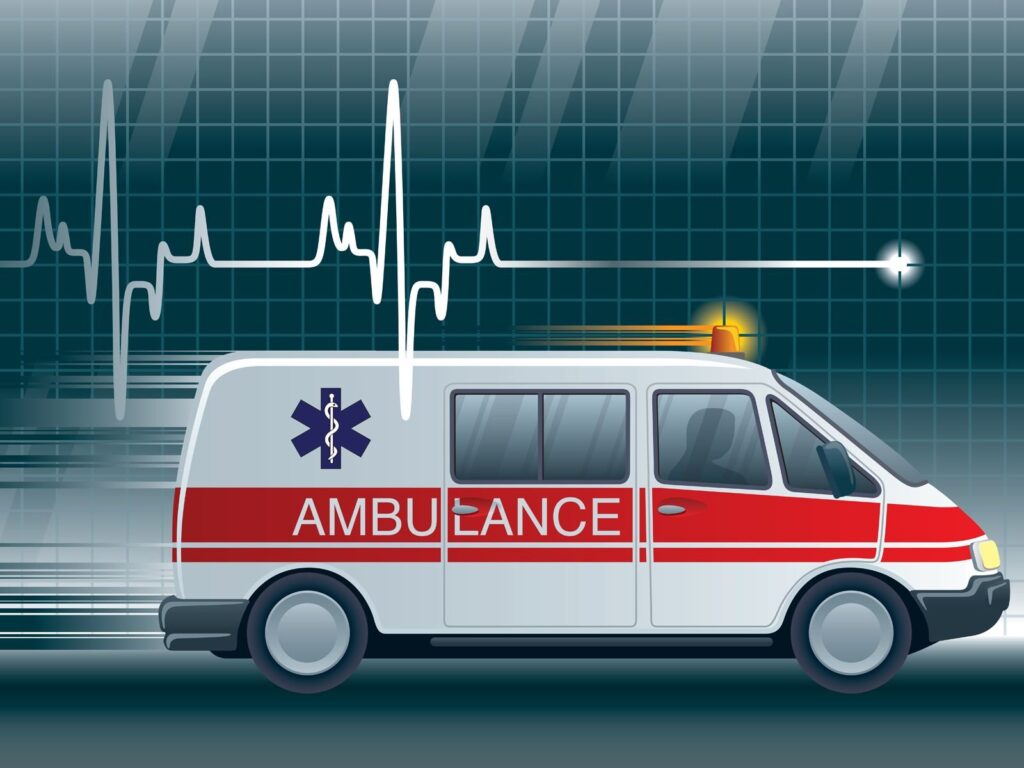
Ambulance services play a vital role in enhancing public health by providing timely medical assistance, transportation, and critical care to individuals in need.
In this blog, we will explore the multifaceted ways in which ambulance services empower communities and contribute to the overall well-being of society.
Ambulance services ensure that individuals facing medical emergencies have immediate access to professional medical care.
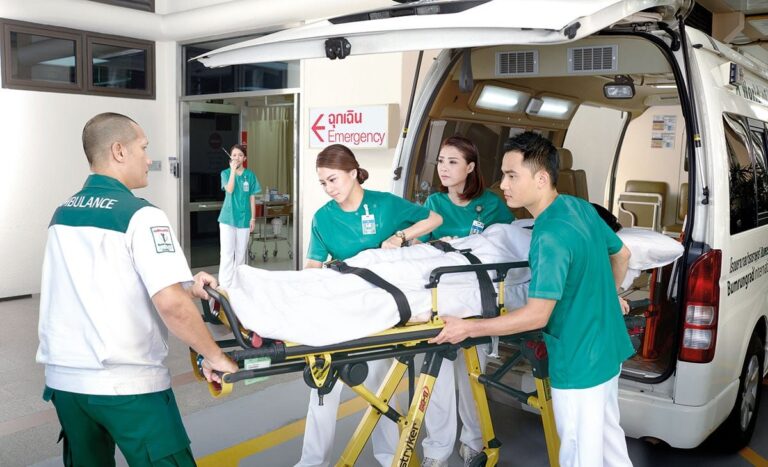
Whether responding to accidents, sudden illnesses, or other critical situations, ambulances serve as mobile medical units equipped to provide essential interventions and facilitate swift transportation to healthcare facilities.
By promptly responding to emergency calls, ambulance services help prevent medical crises from escalating.
Early intervention by trained medical personnel can stabilize patients, alleviate pain, and initiate necessary treatments, potentially averting adverse outcomes and reducing the severity of medical conditions.
Ambulance services play a crucial role in supporting vulnerable populations, including the elderly, individuals with chronic illnesses, and those with limited mobility.
Through their ability to provide timely medical assistance and transport, ambulances ensure that these individuals receive the care they need, promoting equitable access to healthcare services within the community.
Beyond immediate medical response, ambulance services contribute to public health education and awareness.
Paramedics and emergency medical technicians often engage with communities to provide information on injury prevention, basic life support techniques, and the importance of timely medical intervention, thereby fostering a culture of health and safety within the community.
In times of natural disasters, mass casualties, or large-scale emergencies, ambulance services are instrumental in providing rapid and organized medical response.
Their ability to triage, transport, and coordinate with healthcare facilities is essential for managing public health crises, mitigating the impact of disasters, and ensuring that affected individuals receive timely and appropriate medical care.
Ambulances are the link between the place an emergency happens and the hospital that can treat it. They do more than transport: the care given in the first minutes, often called the golden hour after a serious injury, can decide the outcome. That is why the speed and quality of ambulance services are a cornerstone of public health.
Ambulance services have also changed a great deal over time, from horse-drawn carriages to today’s mobile medical units with life-support equipment. Each change reflects a better understanding of how much early treatment matters.
Even with modern vehicles, ambulance services work under real pressure:
Technology helps ambulance teams reach patients faster and treat them better on the way:
Read more about technology in modern ambulances.
Behind every ambulance are trained people: drivers, attendants, emergency medical technicians and paramedics. Their ability to make quick decisions and give care under pressure is what turns a vehicle into emergency care. Ongoing training and support for these teams is an investment in the health of the whole community. Learn more about ambulance team roles and responsibilities.
The presence of reliable ambulance services within a community instills confidence and reassurance among its residents.
Knowing that professional medical assistance is readily available in emergencies promotes a sense of security and well-being, contributing to the overall resilience and health of the community.
To see how we put this into practice, explore our ambulance service in Coimbatore, available 24/7.
In conclusion, ambulance services significantly enhance public health by providing immediate access to medical care, preventing medical crisis escalation, supporting vulnerable populations, promoting public health education, and playing a critical role in disaster response and preparedness.
Their presence within communities not only saves lives but also fosters a culture of health, safety, and preparedness, ultimately empowering communities and contributing to the overall well-being of society.
Ambulance services contribute to public health by supporting public health education and awareness, promoting injury prevention, and playing a vital role in disaster response and preparedness.
These efforts go beyond immediate medical response and contribute to the overall well-being of the community.
2. What role do ambulance services play in supporting vulnerable populations within a community?
Ambulance services play a crucial role in supporting vulnerable populations, including the elderly, individuals with chronic illnesses, and those with limited mobility, by ensuring they have timely access to medical assistance and transportation.
This support promotes equitable access to healthcare services within the community.
3. How do ambulance services contribute to public health education and awareness?
Paramedics and emergency medical technicians often engage with communities to provide information on injury prevention, basic life support techniques, and the importance of timely medical intervention.
These educational efforts contribute to public health awareness and foster a culture of health and safety within the community.
4. In what ways do ambulance services contribute to disaster response and preparedness?
Ambulance services are instrumental in disaster response and preparedness by providing rapid and organized medical response, triage, and coordination with healthcare facilities during natural disasters, mass casualties, or large-scale emergencies.
Their role is essential for managing public health crises and ensuring timely and appropriate medical care for affected individuals.
5. How does the presence of reliable ambulance services within a community impact community confidence and resilience?
The presence of reliable ambulance services within a community instills confidence and reassurance among its residents.
Knowing that professional medical assistance is readily available in emergencies promotes a sense of security and well-being, contributing to the overall resilience and health of the community.
6. What challenges do ambulance services face today?
Traffic congestion in cities, long distances in rural areas, growing demand and the cost of advanced equipment are the main challenges. Each can slow response times, which is why efficient dispatch and well-trained crews matter.
7. How is technology improving ambulance services?
GPS helps send the nearest ambulance by the fastest route, phone and telemedicine links let the crew prepare the hospital in advance, and modern monitors and ventilators allow advanced care on the way.
Founder & Proprietor · since 1995 — Antony founded Annai in 1995 and has guided Coimbatore families through their hardest moments ever since, treating every family as his own.
Introduction A heart attack, also known as a myocardial infarction, is a life-threatening medical emergency that requires prompt intervention toxe2x80xa6
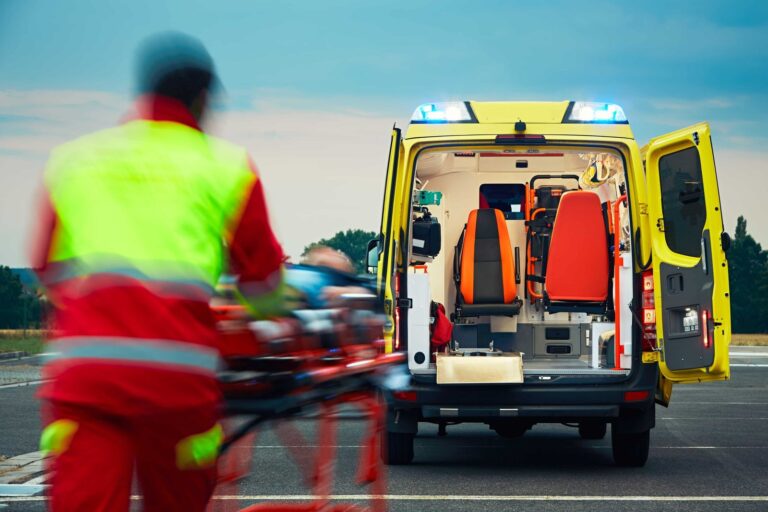
Introduction In emergency medical situations, time is often the critical factor that determines the outcome. The ability of ambulance servicesxe2x80xa6
The evolution of ambulance services reflects the significant advancements in medical practices, technology, and societal attitudes towards emergency healthcare. Fromxe2x80xa6
You will be connected directly to our
24×7 dispatch team.