Introduction
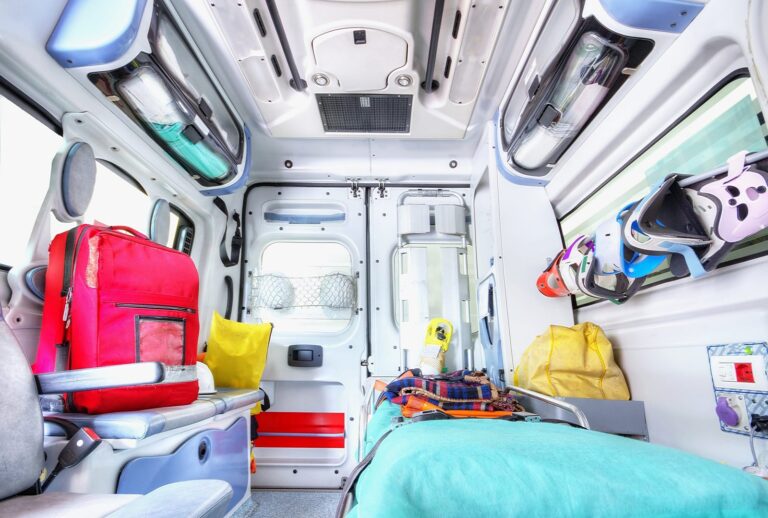
In the realm of emergency medical care, the role of advanced medical technology in ambulance services cannot be overstated. The integration of cutting-edge equipment and technological innovations plays a pivotal role in enhancing patient care, improving communication, and ultimately saving lives.
This blog aims to explore the essential role of advanced medical technology in ambulance services and the impact it has on emergency healthcare delivery.
The Importance of Advanced Medical Technology in Ambulance Services
Enhancing Patient Care
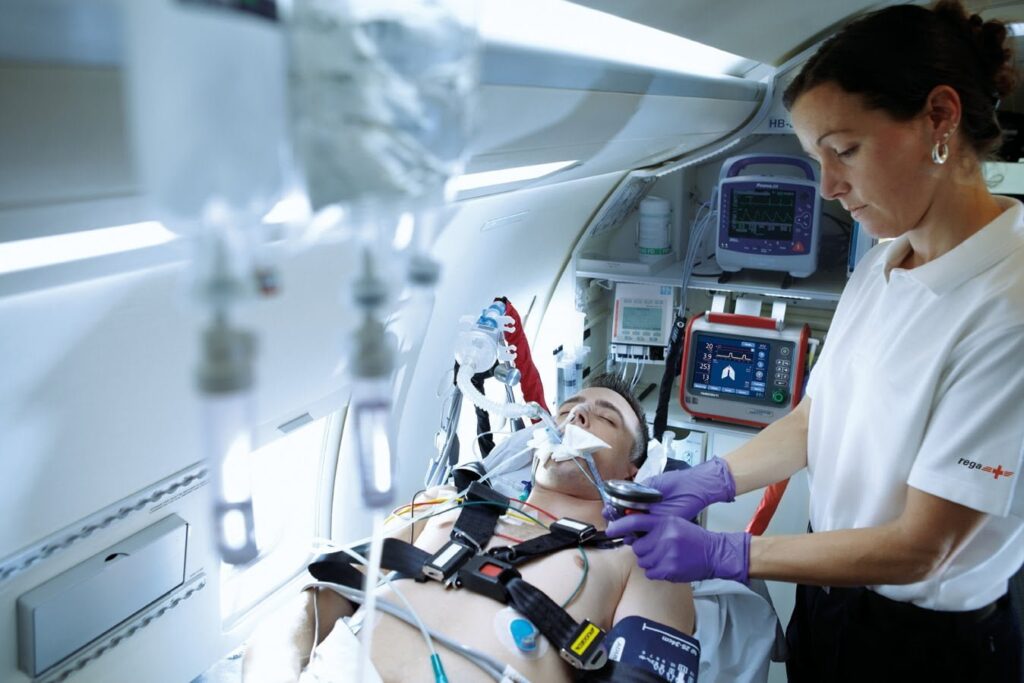
Advanced medical technology equips ambulance personnel with the tools necessary to provide critical care interventions, such as cardiac monitoring, defibrillation, airway management, and medication administration, even before reaching the hospital. These interventions can significantly impact patient outcomes, particularly in life-threatening situations.
Facilitating Communication and Coordination
Modern ambulances are equipped with communication systems that enable seamless coordination with healthcare facilities, allowing for real-time transmission of vital patient data, pre-arrival notifications, and telemedicine consultations. This facilitates better preparedness and continuity of care upon arrival at the hospital.
Improving Diagnostic Capabilities
Ambulance services leverage advanced diagnostic tools, such as point-of-care testing devices and portable ultrasound equipment, to rapidly assess and diagnose critical conditions in the prehospital setting. This enables early intervention and appropriate triage, thereby optimizing the management of patients in transit.
Key Technological Innovations in Ambulance Services
Cardiac Monitors and Defibrillators
Ambulances are equipped with state-of-the-art cardiac monitors capable of providing continuous electrocardiogram (ECG) monitoring and defibrillation, enabling early detection and treatment of cardiac arrhythmias and cardiac arrest.
Airway Management Tools
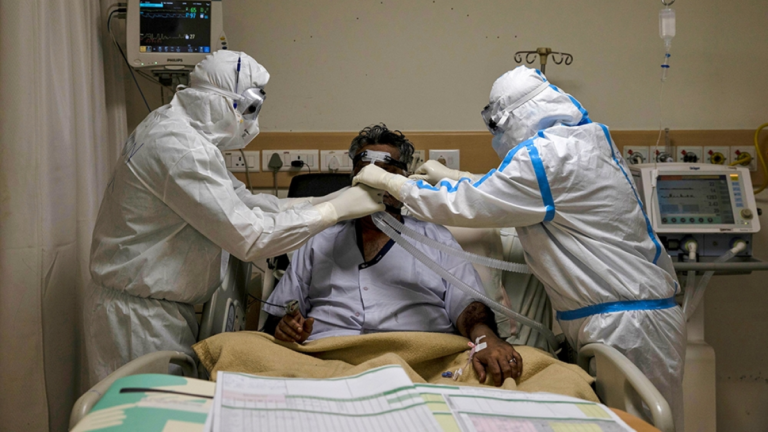
Advanced airway management devices, including portable ventilators and supraglottic airway devices, allow ambulance personnel to provide advanced respiratory support to patients with compromised airways, ensuring adequate oxygenation en route to the hospital.
Telemedicine Capabilities
The integration of telemedicine technology in ambulances enables real-time video consultations with remote healthcare providers, allowing for immediate medical guidance, interpretation of diagnostic findings, and seamless transfer of patient information.
Portable Point-of-Care Testing
Ambulances are equipped with portable diagnostic devices for immediate assessment of vital parameters, such as blood glucose levels, electrolyte imbalances, and coagulation profiles, enabling rapid evaluation and tailored treatment strategies.
GPS Tracking and Navigation Systems
Advanced GPS tracking and navigation systems optimize ambulance routing, minimizing response times and ensuring efficient navigation to the nearest healthcare facility, particularly in high-traffic or geographically challenging scenarios.
Future Trends and Innovations in Ambulance Technology
Integration of Artificial Intelligence (AI)
The integration of AI in ambulance technology holds the potential to enhance decision support systems, automate diagnostic processes, and predict patient outcomes, thereby revolutionizing prehospital care delivery.
Wearable Health Monitoring Devices
Future ambulances may incorporate wearable health monitoring devices for patients, allowing for continuous monitoring of vital signs and transmitting real-time health data to ambulance personnel and receiving healthcare facilities.
To ensure you have comprehensive ambulance services in any situation, it’s essential to consider all aspects of emergency response. For specialized and respectful support during difficult times, explore our Funeral Services in Coimbatore.
Drone-Assisted Emergency Response
Drone technology may be leveraged for rapid delivery of essential medical supplies, advanced life support equipment, and even automated external defibrillators (AEDs) to remote or inaccessible locations, augmenting the capabilities of ambulance services.
Conclusion
The integration of advanced medical technology in ambulance services represents a cornerstone of modern emergency medical care. From facilitating early interventions to enabling seamless communication and enhancing diagnostic capabilities, these technological innovations play a pivotal role in optimizing patient care outcomes.
As technology continues to advance, the future holds promising opportunities for further enhancing the capabilities of ambulance services, ultimately elevating the standard of prehospital emergency care.
FAQS
1. What advanced medical technologies are commonly found in modern ambulances?
Modern ambulances are equipped with advanced medical technologies such as cardiac monitors, defibrillators, airway management tools, portable diagnostic devices, and telemedicine capabilities, all of which enable rapid assessment, treatment, and communication in the prehospital setting.
2. How does advanced medical technology in ambulances contribute to improving patient outcomes?
Advanced medical technology in ambulances allows for early detection and treatment of critical conditions, facilitates real-time communication with healthcare facilities, enables rapid diagnostic assessments, and supports advanced life-saving interventions, all of which collectively contribute to improving patient outcomes.
3. What role does telemedicine play in ambulance services, and how does it benefit patients during transit?
Telemedicine capabilities in ambulances enable real-time video consultations with remote healthcare providers, allowing for immediate medical guidance, interpretation of diagnostic findings, and seamless transfer of patient information, thereby ensuring timely and informed care during transit.
4. Are ambulances equipped with GPS tracking and navigation systems, and how do these technologies optimize emergency response?
Yes, ambulances are equipped with GPS tracking and navigation systems that optimize routing, minimize response times, and ensure efficient navigation to the nearest healthcare facility, particularly in high-traffic or geographically challenging scenarios, ultimately enhancing emergency response.
5. What are some future trends and innovations in ambulance technology that could further enhance prehospital emergency care?
Future trends and innovations in ambulance technology include the integration of artificial intelligence (AI) for decision support, wearable health monitoring devices for continuous patient monitoring, and the potential use of drone technology for rapid delivery of medical supplies to remote or inaccessible locations, all of which hold promise for further enhancing prehospital emergency care.